Why freight can cost more than the machine, and how loading fixes it
Ocean freight is priced per container, not per machine. See how the number of rice threshers loaded changes the freight each machine carries.
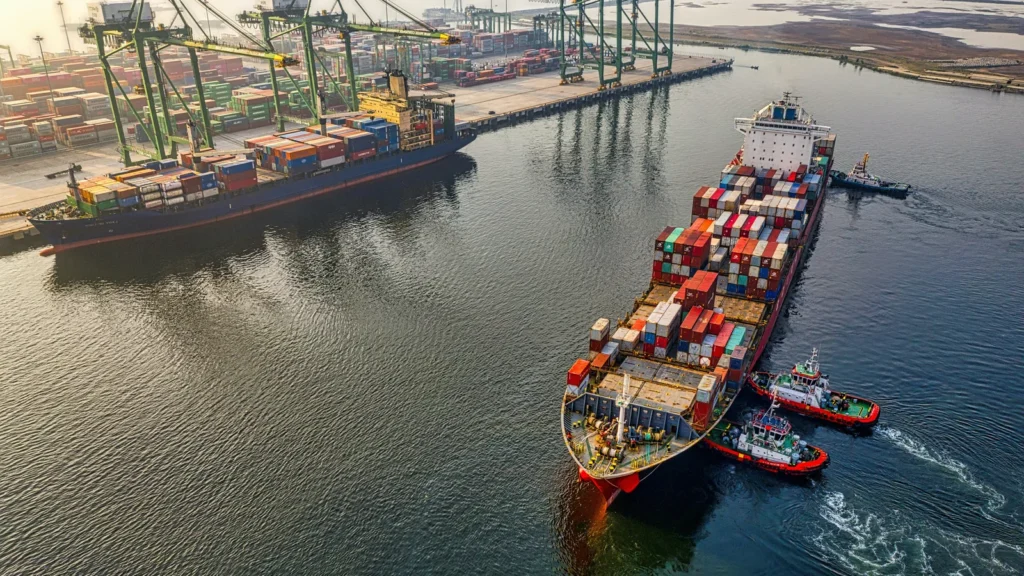
Ocean freight is priced per container, not per machine. A container that carries 36 machines spreads the same freight over more units than one that carries 28, so a well-planned load lowers what each machine costs to ship. For bulky machines on a long route, half-empty containers are how freight ends up rivalling the factory price.
Why is freight charged per container and not per machine?
A shipping line sells space on a vessel. For a full-container load (FCL) the unit it sells is the box: a 20 ft container, a 40 ft container or a 40 ft high-cube (HQ). The price for a route is set per box, so it does not change if you put 20 machines or 36 machines inside. What changes is how much of that price each machine has to carry.
Part-container shipments (LCL) are priced by volume or weight and add handling at both ends. That is why LCL suits sample orders and spare-parts parcels, while a commercial order of rice threshers belongs in full containers.
How many rice threshers fit in one container?
These are reference figures for the Tân Việt rice threshers Hannah Trading exports from Hải Phòng. They are a guide, not a guarantee. The real count depends on the models you order and how they are packed, and we confirm the container plan with every quote.
| Container | Machines (reference) | How they are packed |
|---|---|---|
| 20 ft FCL | 12 to 16 | Hopper and wheels removed, with a spare-parts pack in the same box |
| 40 ft HQ FCL | 28 to 36 | Complete machines on a reinforced steel frame, stacked in tiers and lashed |
How does the number loaded change the freight per machine?
The arithmetic is simple. Freight per machine equals the freight for the container divided by the machines inside it. The table below is an illustration, not a quote: it uses a freight of 100 units for a whole 40 ft HQ container only to show the effect.
| Machines in the container | Freight per machine (units) | Compared with 28 machines |
|---|---|---|
| 28 | 3.57 | baseline |
| 32 | 3.13 | about 12% lower |
| 36 | 2.78 | about 22% lower |
The lesson: before you compare two freight offers, compare how many machines each one assumes. A cheaper-looking box that carries fewer machines can cost you more per machine.
What else makes up the landed cost?
Freight is the largest moving part, but landed cost is the whole journey from the factory to your yard:
- the price of the machines at the loading port (we quote FOB Hải Phòng);
- ocean freight to your named destination port;
- marine insurance, if it is not already included;
- destination port charges, including storage once the free days run out;
- import duties and taxes in your country, and local clearance;
- transport from the port to your yard.
Which of these sit in the seller’s price and which in yours depends on the trade term you agree. Our guide to FOB, CFR and CIF shows who pays for what.
How do you keep a full container from arriving damaged?
A packed container spends roughly 30 to 45 days on the sea, so the load must survive salt air and movement. For our shipments the machines are:
- wrapped in five layers of industrial PE film against salt-laden moisture;
- treated with preservative oil on shafts, threshing chambers, sprockets and gears;
- locked to the container floor with steel cable to stop shifting.
What should you ask before accepting a freight quote?
- Which container size, and how many containers?
- Which models, and how many machines per container? Ask to see the load plan.
- Are spare parts in the same container, or in a separate shipment?
- Which loading port, and which named destination port?
- What is included at the destination, and what is not?
- What is the expected sailing date and transit time?
Tell us your port and the season you need the machines. We reply with the models, the container plan and the freight, so you can compare like with like.